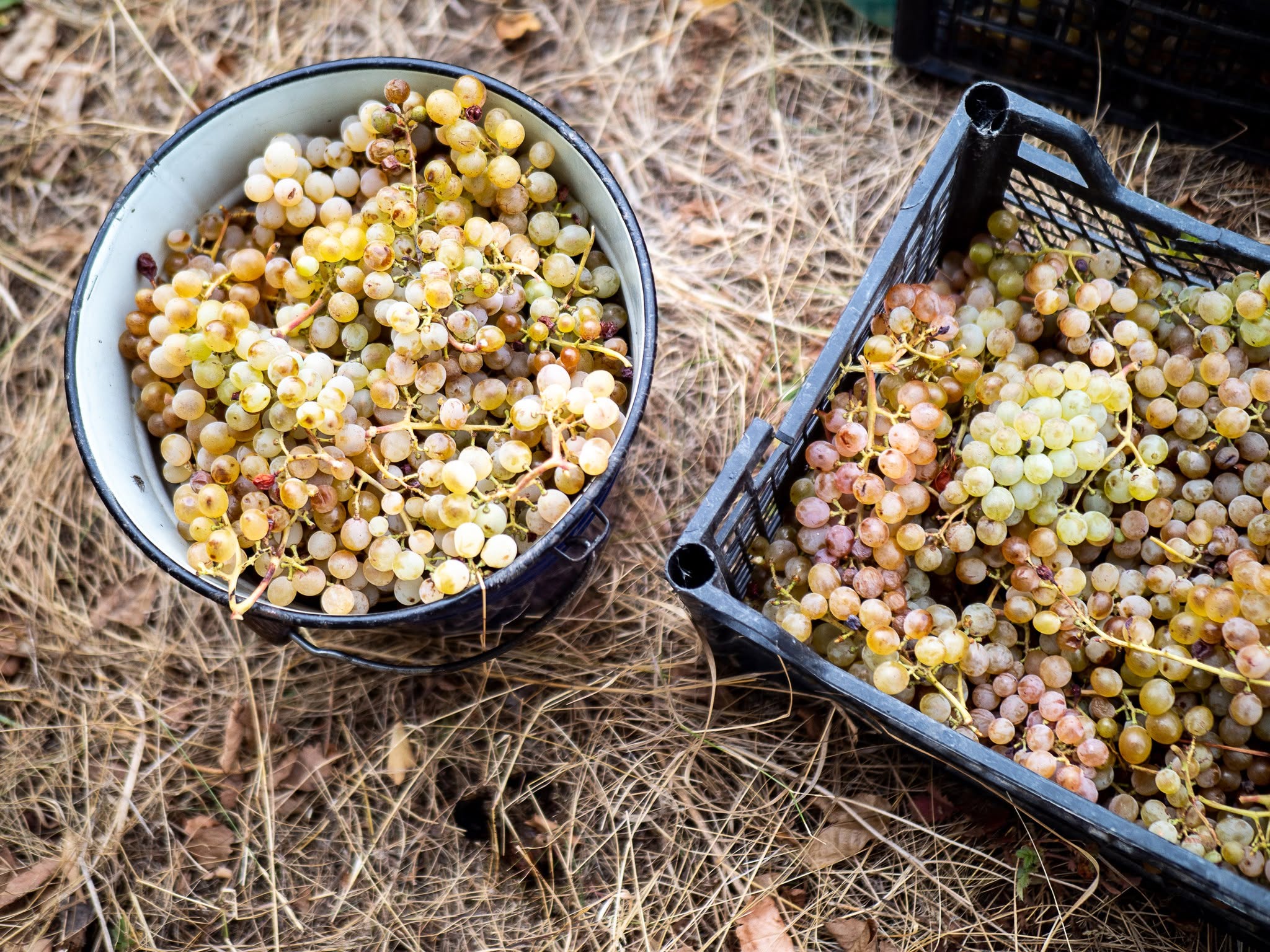
Mtsvane
Mtsvane · 2025
Chailauri, Kakheti · 600 m
15 days, 100% skin contact · Qvevri
ArchiveThe Garden Winery · Tbilisi
Georgian endemic varieties, traditional Qvevri fermentation, no intervention. Spontaneous fermentation. All made by hand with no machines.
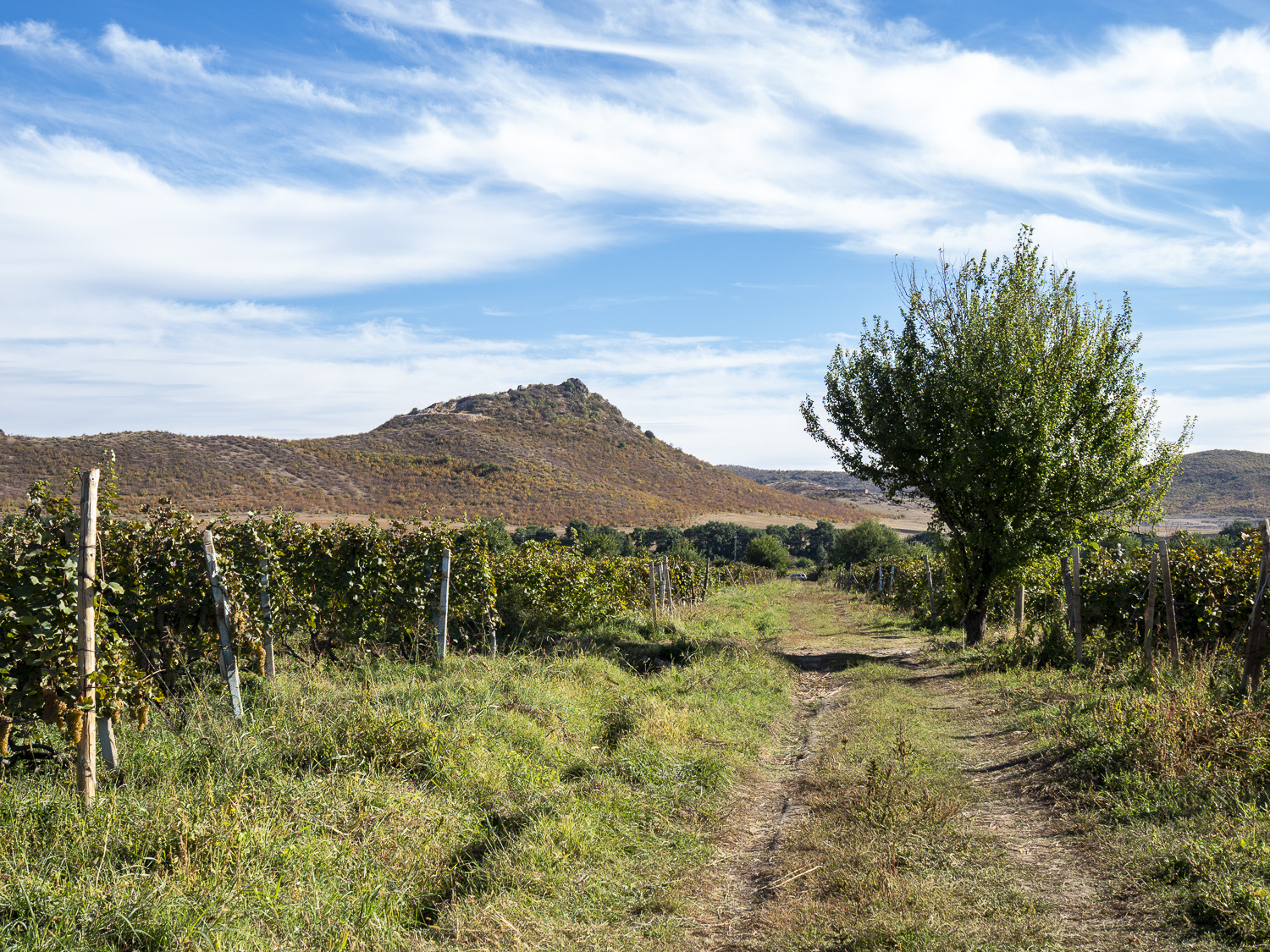
The terroir
Our grapes come from small vineyards that span the country, read here the way the land runs - from the western hills down by the Black Sea to the dry valleys in the east.
The archive
Most of these are gone now - poured, shared, drunk - so what is left is the record of them. Time runs backwards here, the way it does in memory, from this year's wine back to the first we ever made.
Mtsvane · 2025
Chailauri, Kakheti · 600 m
15 days, 100% skin contact · Qvevri
Archive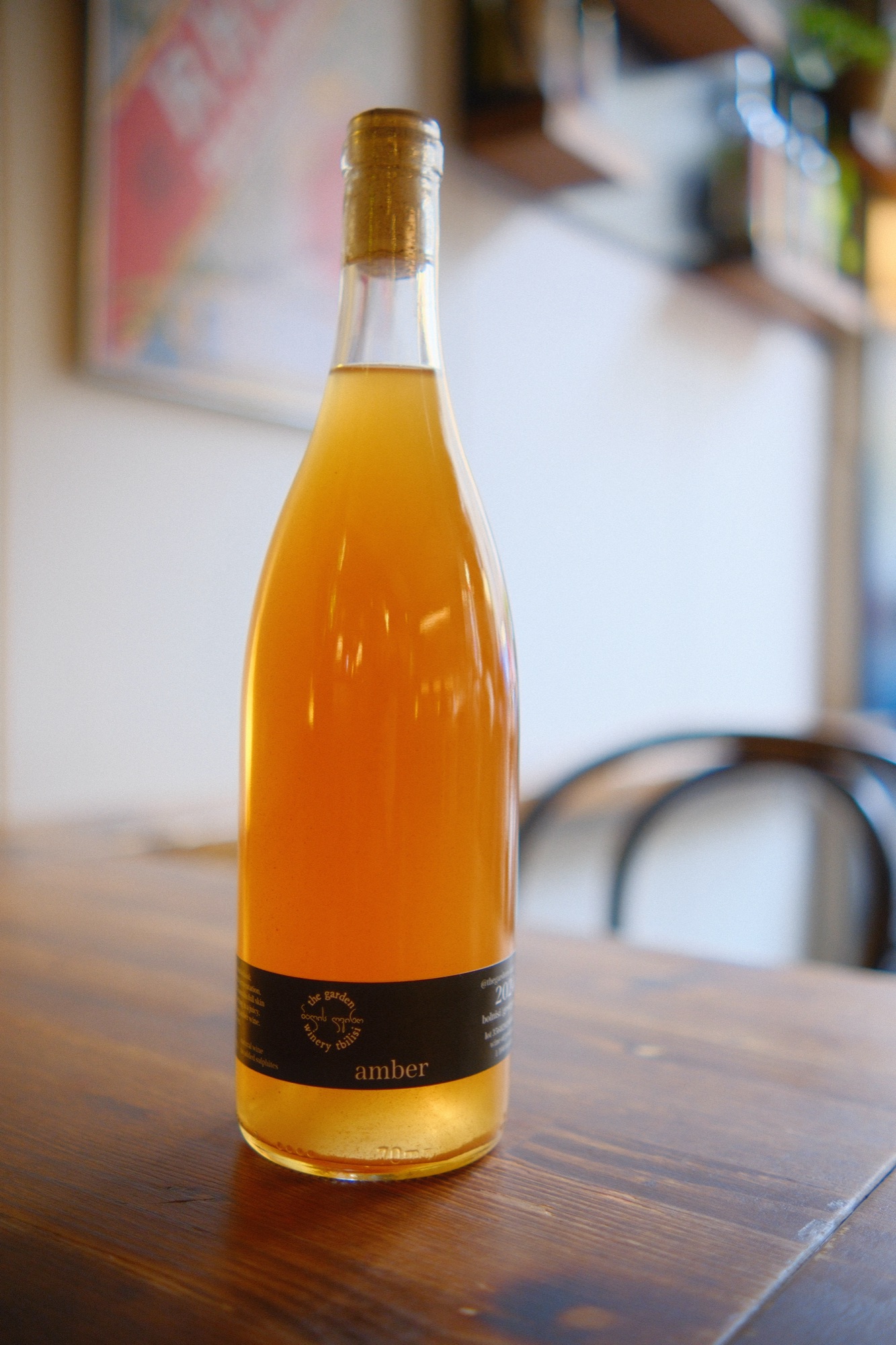
Flagship
Rkatsiteli · 2024
Bolnisi, Kvemo Kartli · 700 m · 30-year-old vines
Appassimento · six months on skins · Qvevri
Appassimento - the grapes are allowed to dry for 2 weeks before they are pressed, so everything in them concentrates - and then after pressing six months resting on their skins in the clay.
Archive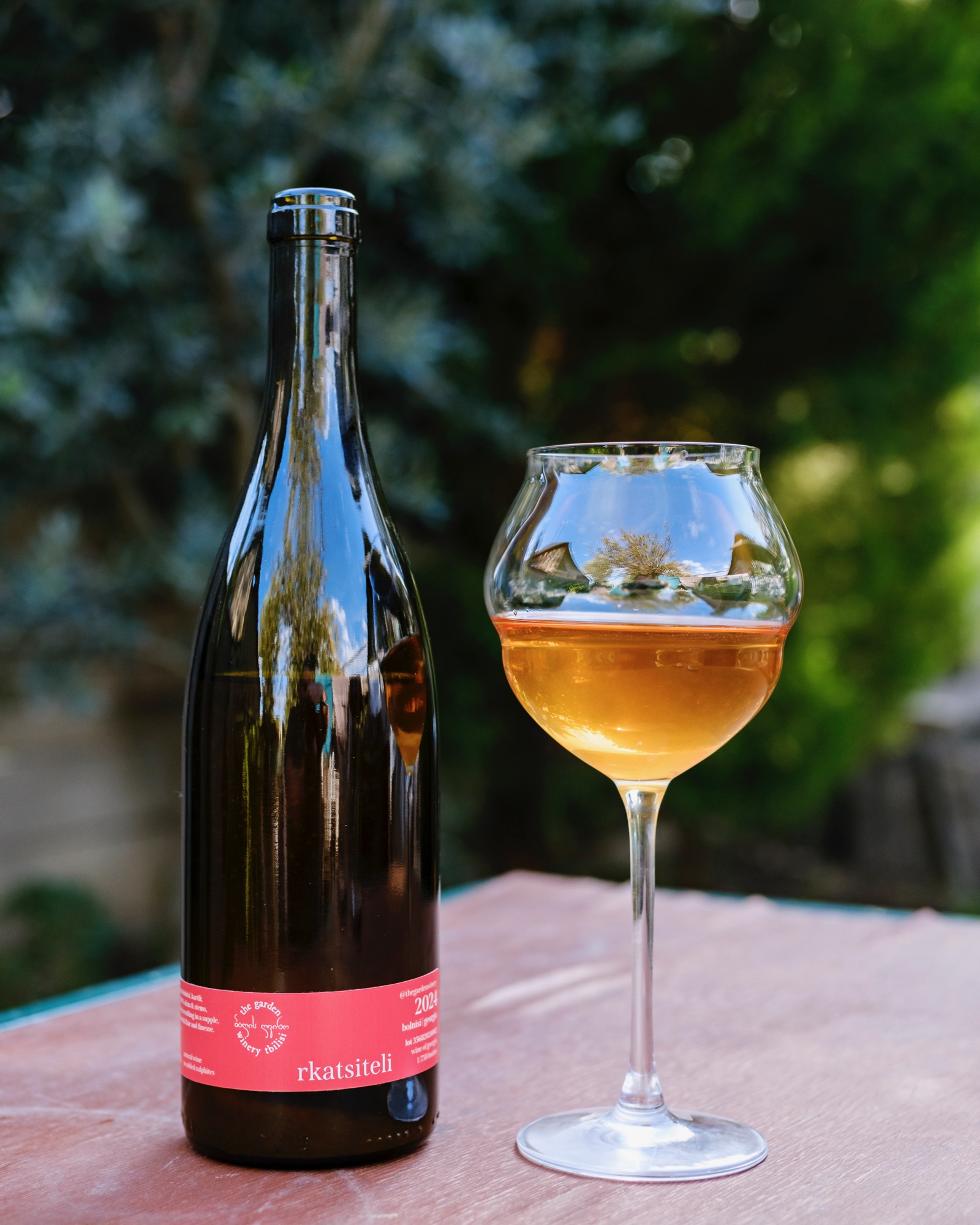
Rkatsiteli · 2024
Bolnisi, Kvemo Kartli · 700 m · 30-year-old vines
30 days, 50% skin contact · Qvevri
Archive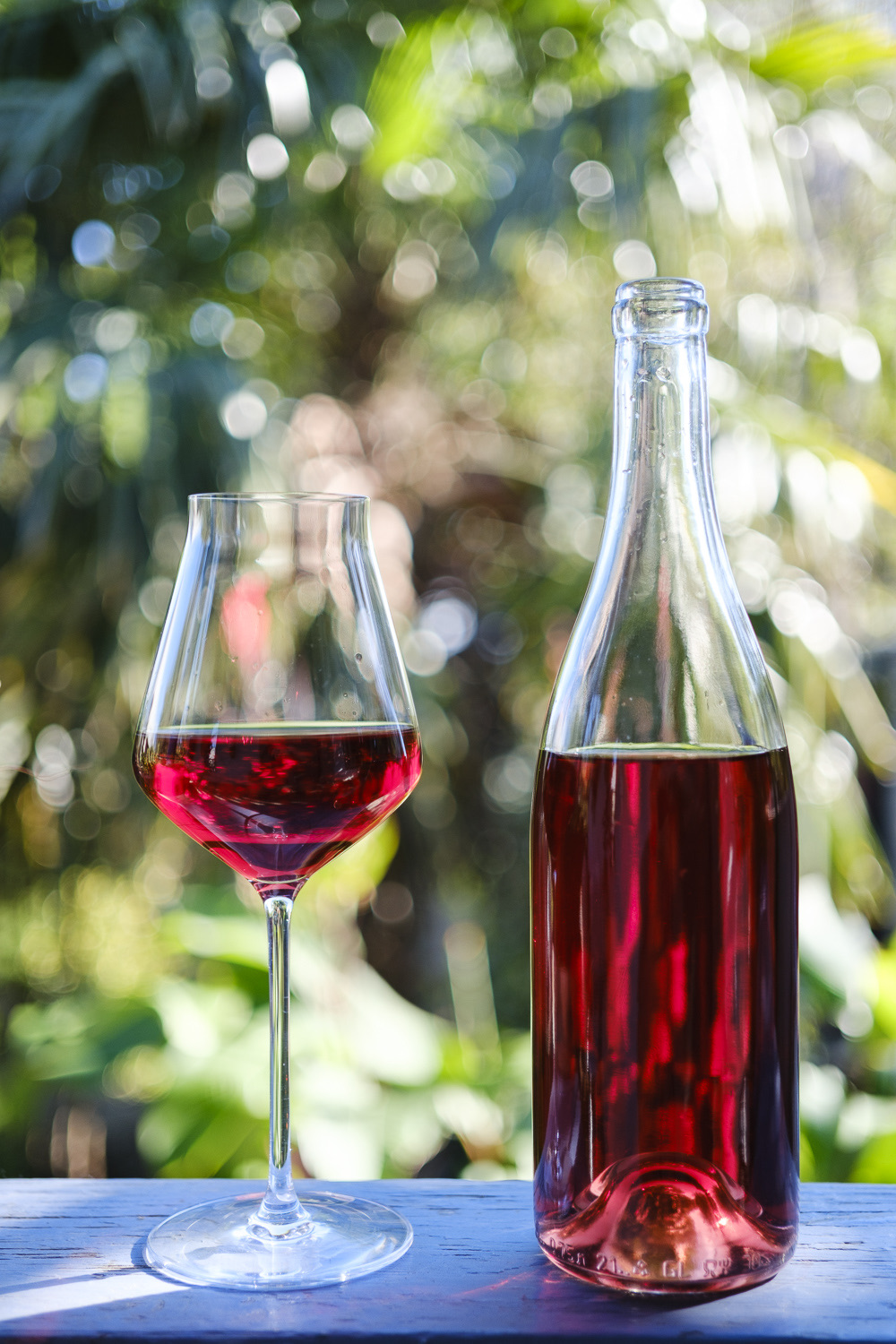
Tavkveri · 2024
Okami, Shida Kartli · 650 m · 30-year-old vines
30 days, 100% skin contact · Qvevri
Archive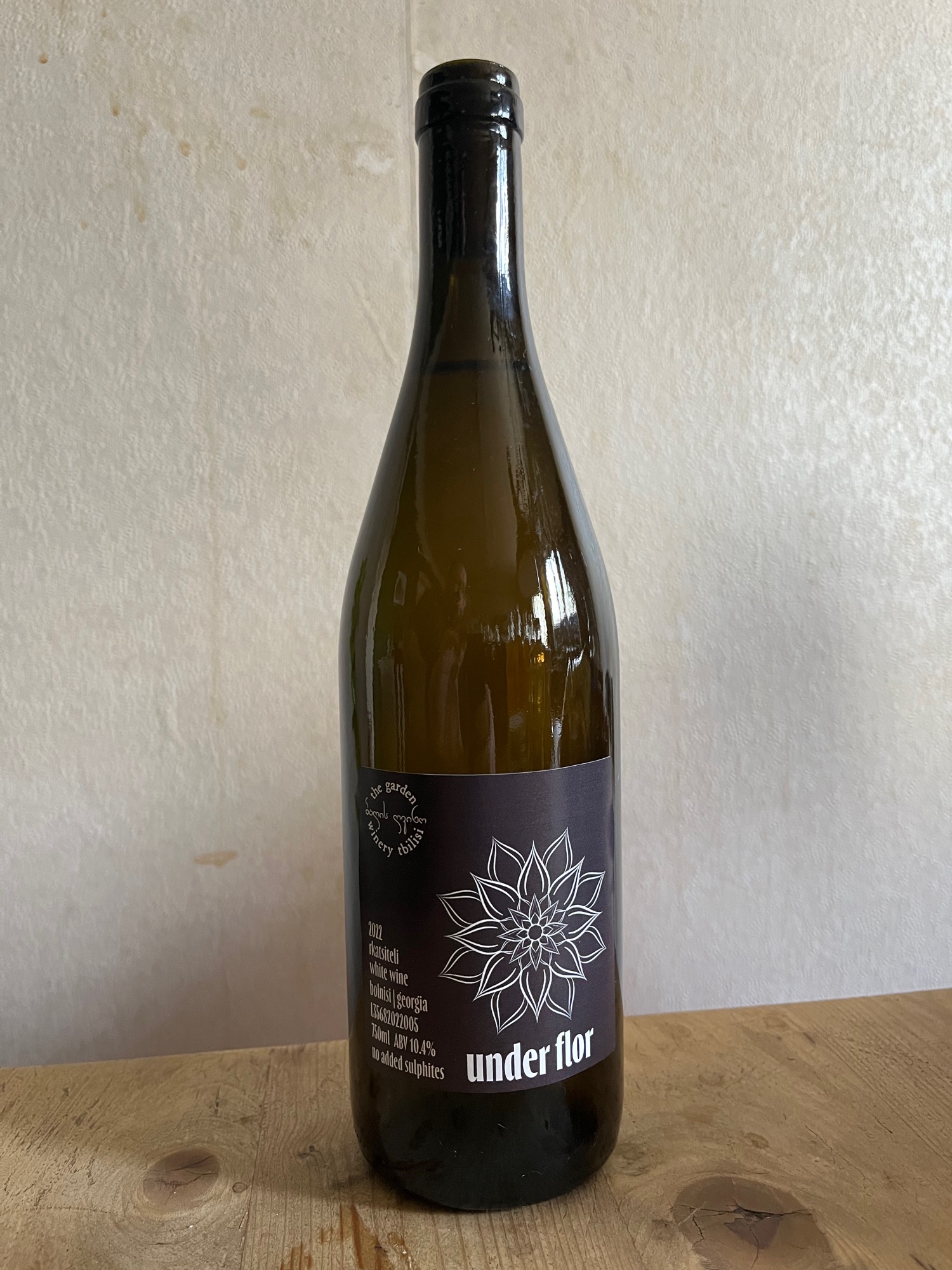
Rkatsiteli · 2023
Bolnisi, Kvemo Kartli · 700 m · 30-year-old vines
Fermented under flor · Qvevri
Under flor - a living veil of yeast grows across the surface as the wine ages, the way it does in a good sherry.
Archive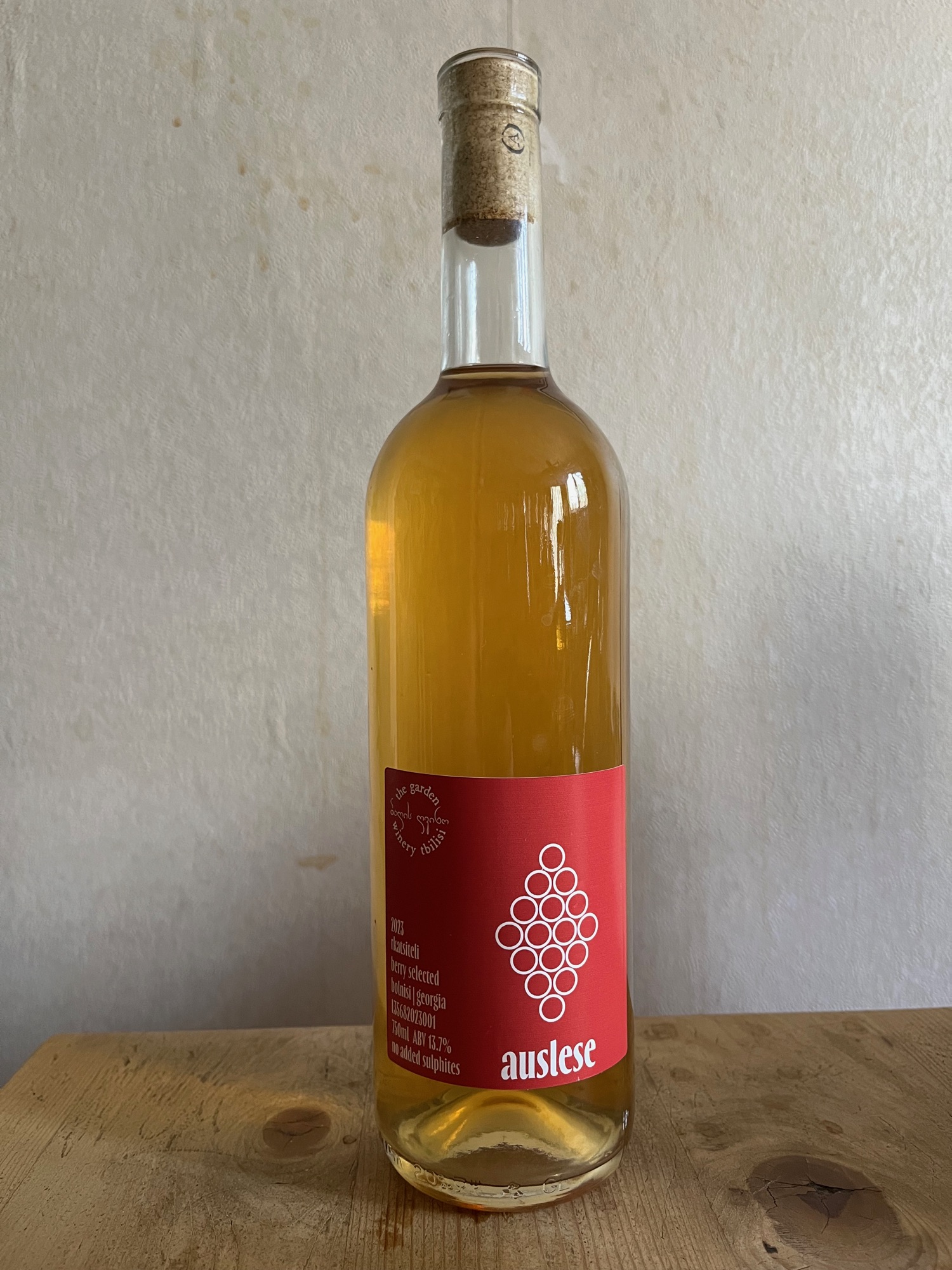
Rkatsiteli · 2023
Bolnisi, Kvemo Kartli · 700 m · 30-year-old vines
Skin contact, berry selected · Glass
Berry selected - picked through by hand, grape by grape, keeping only the ripest.
Archive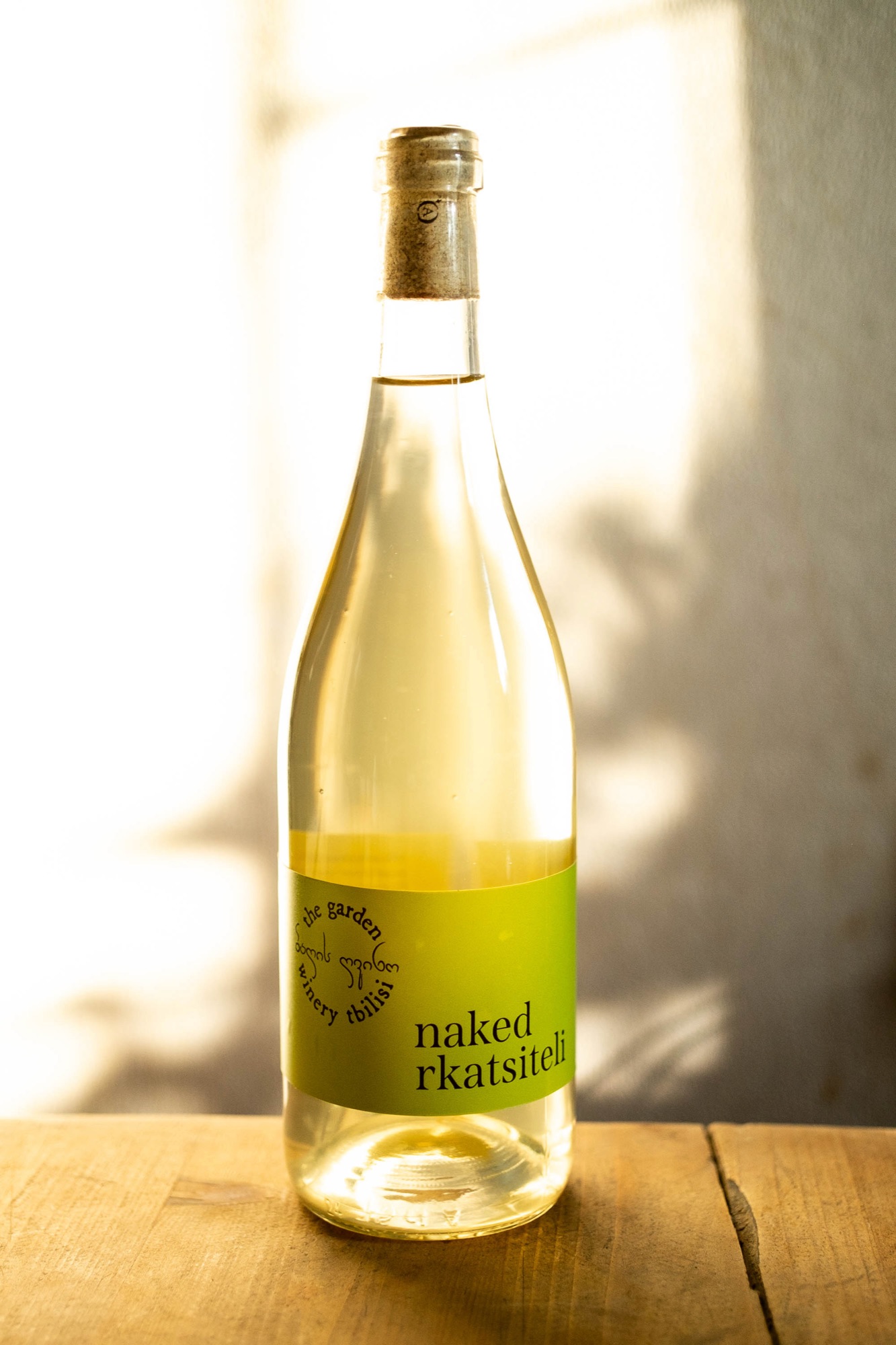
Rkatsiteli · 2023
Bolnisi, Kvemo Kartli · 700 m · 30-year-old vines
Direct press · Qvevri
Archive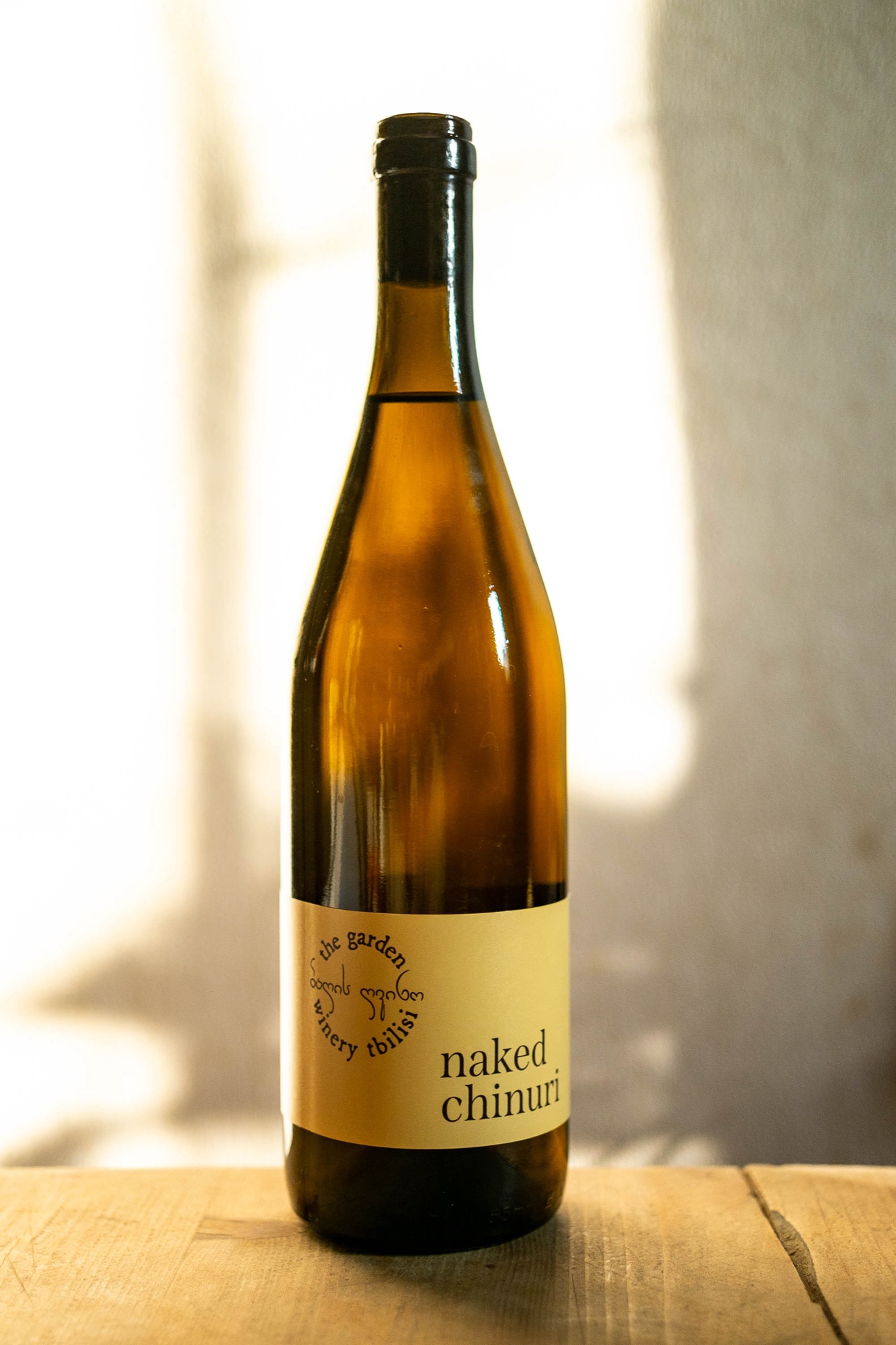
Chinuri · 2023
Okami, Shida Kartli · 650 m · 70-year-old vines
Direct press · Qvevri
Archive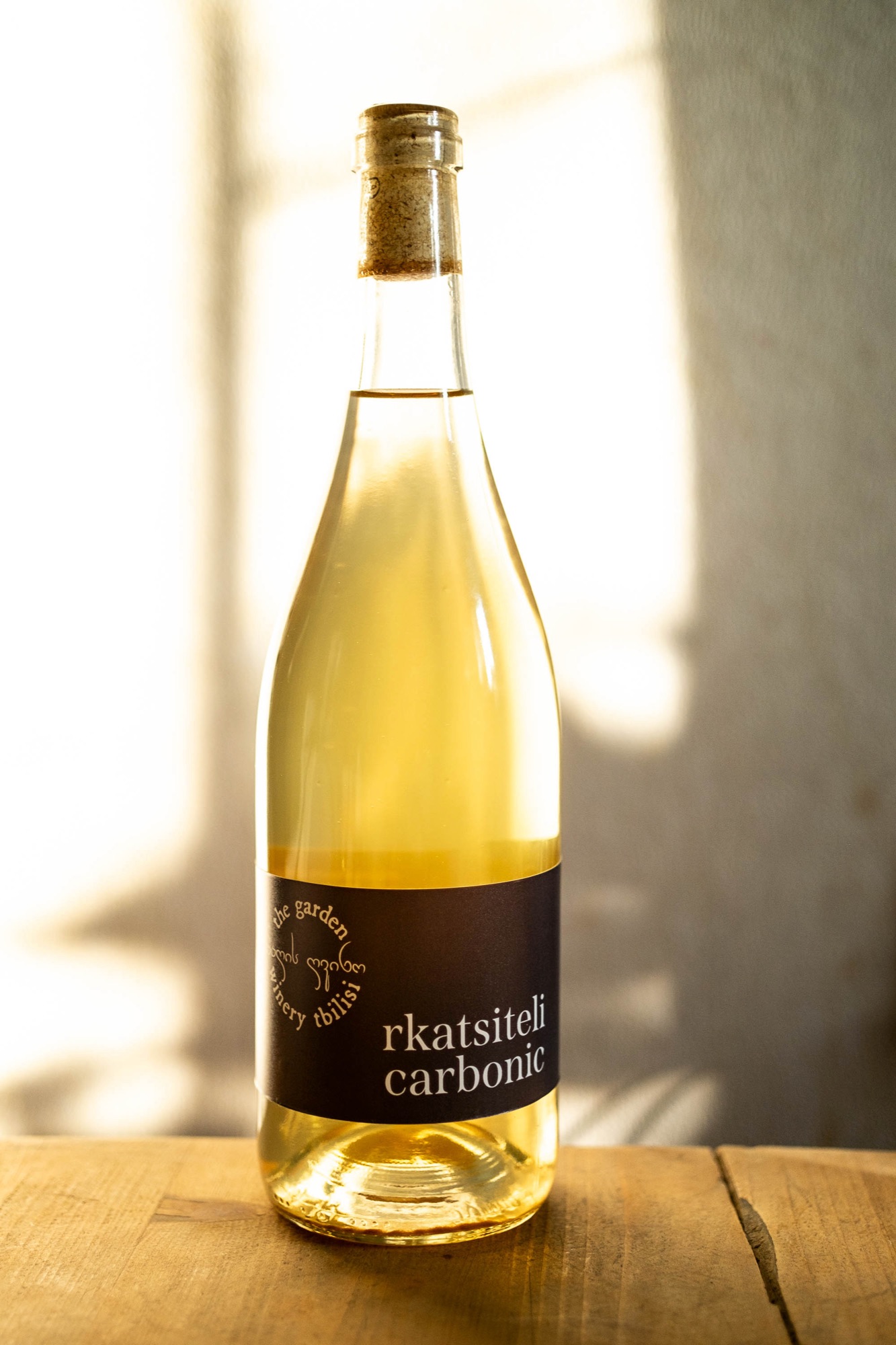
Ojaleshi · 2023
Bandza, Samegrelo · 30-year-old vines
Carbonic · Glass
Carbonic - whole bunches left to begin fermenting from the inside, before they are ever pressed.
Archive
Ojaleshi · 2022
Leliani, Kakheti · 4-year-old vines
Carbonic · Glass
Archive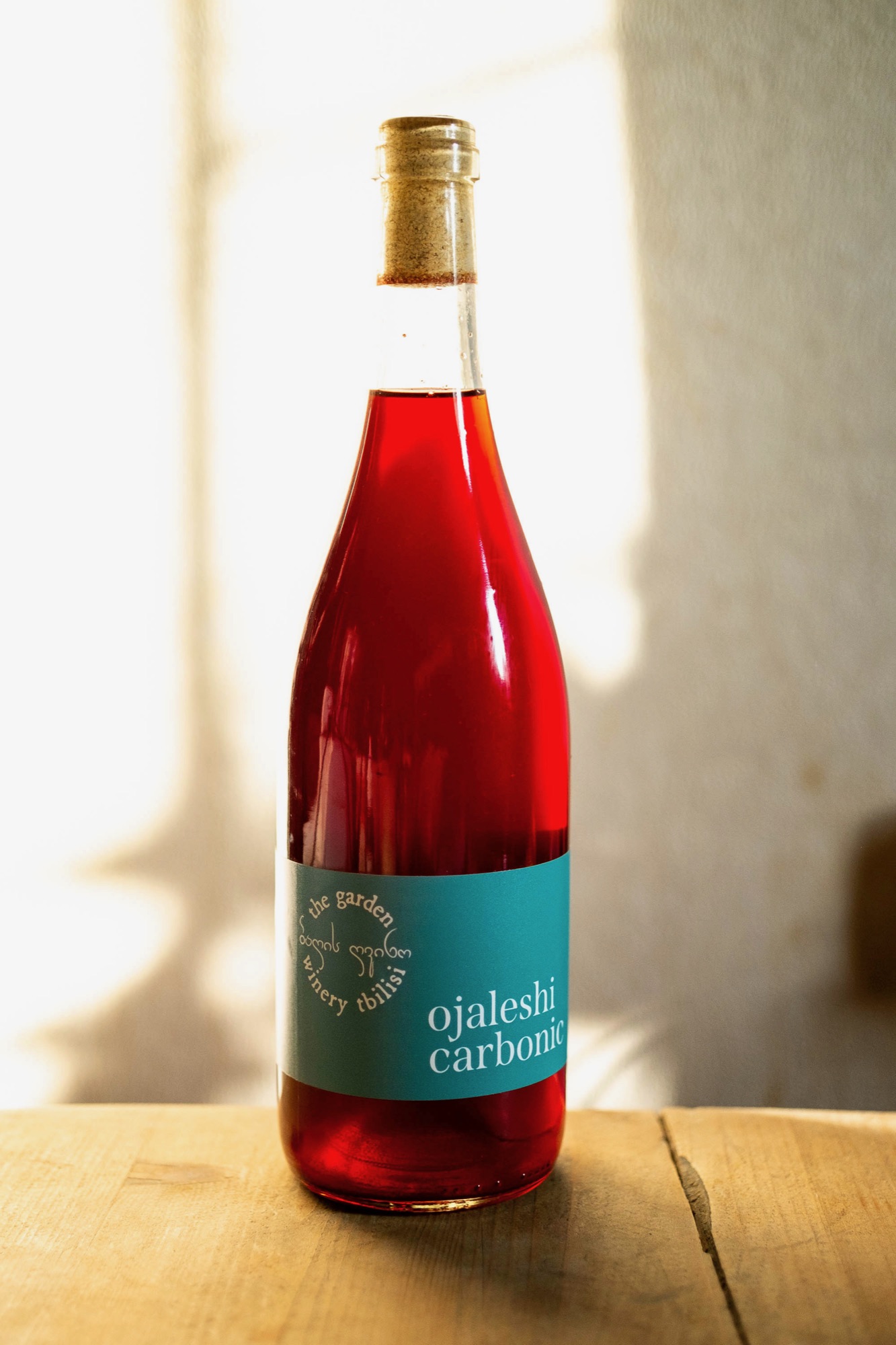
Rkatsiteli · 2022
Bolnisi, Kvemo Kartli · 700 m · 30-year-old vines
Carbonic · Glass
Archive
Rkatsiteli · 2022
Bolnisi, Kvemo Kartli · 700 m · 30-year-old vines
Direct press · Qvevri
Archive
Chinuri · 2022
Okami, Shida Kartli · 650 m · 70-year-old vines
Direct press · Qvevri
Archive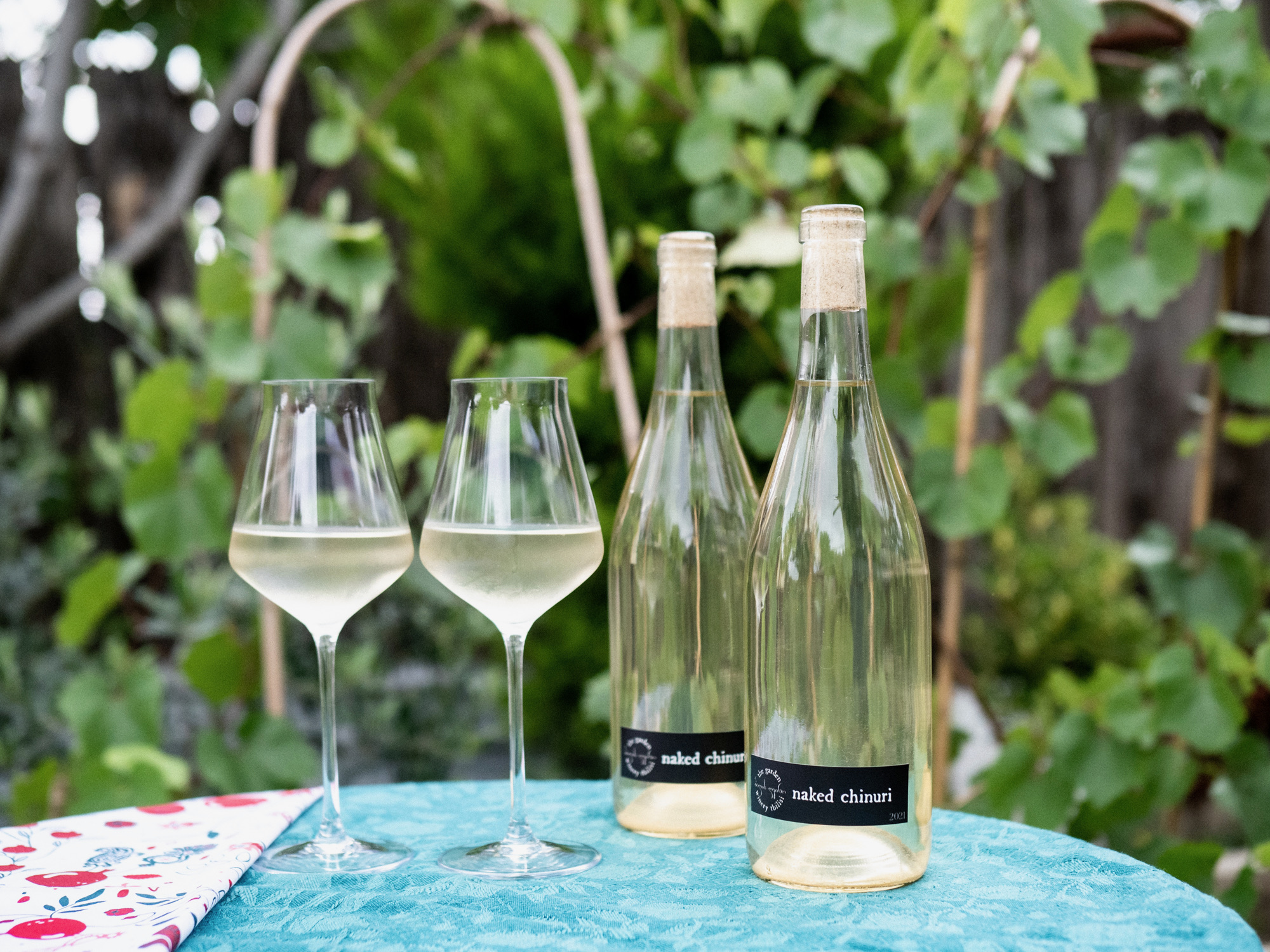
Chinuri · 2021
Okami, Shida Kartli · 650 m · 70-year-old vines
Direct press · Qvevri
Archive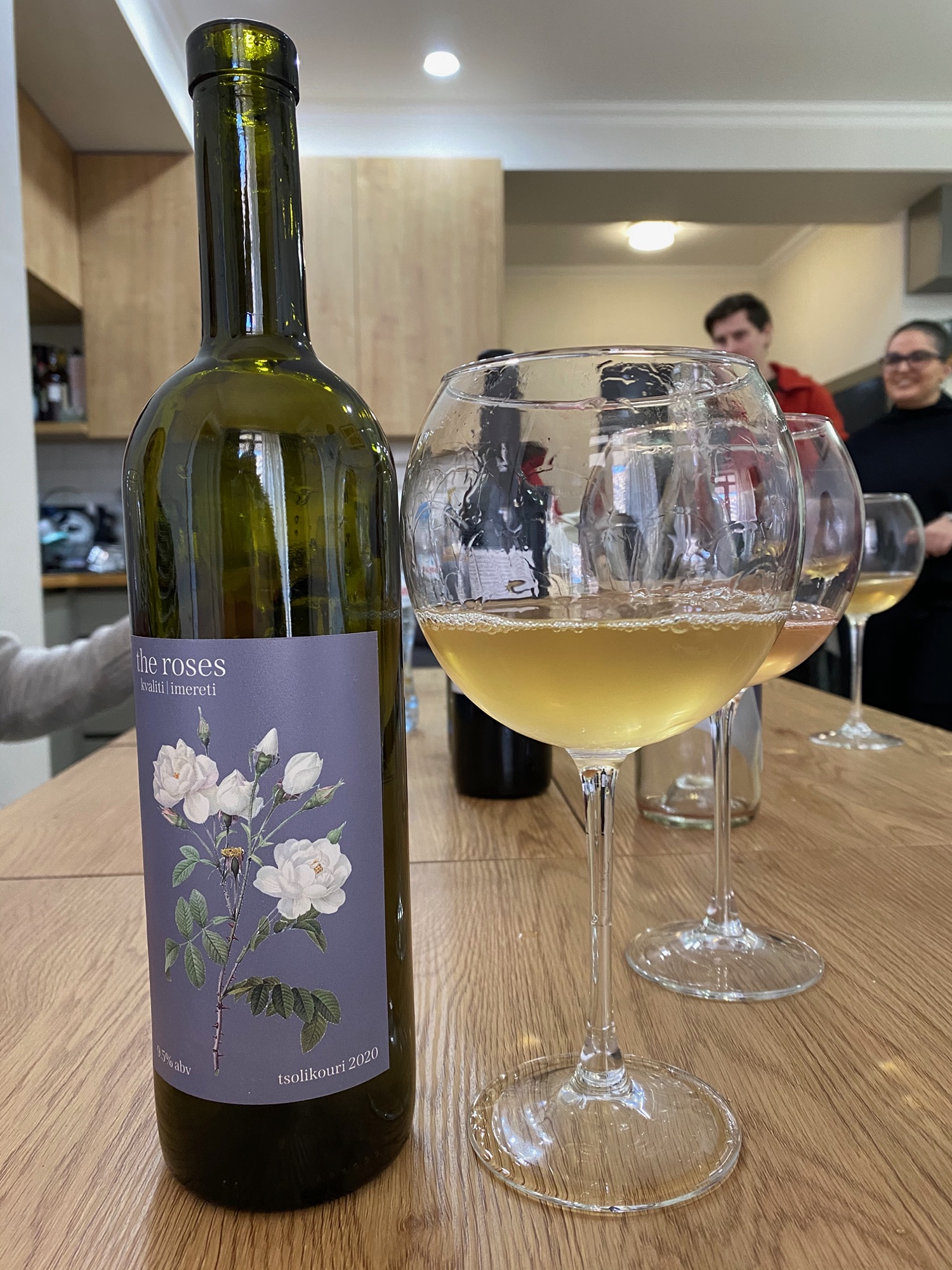
Tsolikouri-Tsitska · 2020
Shua Kvaliti, Imereti · 320 m · 70-year-old vines
Direct press · Qvevri
ArchiveHow we make it
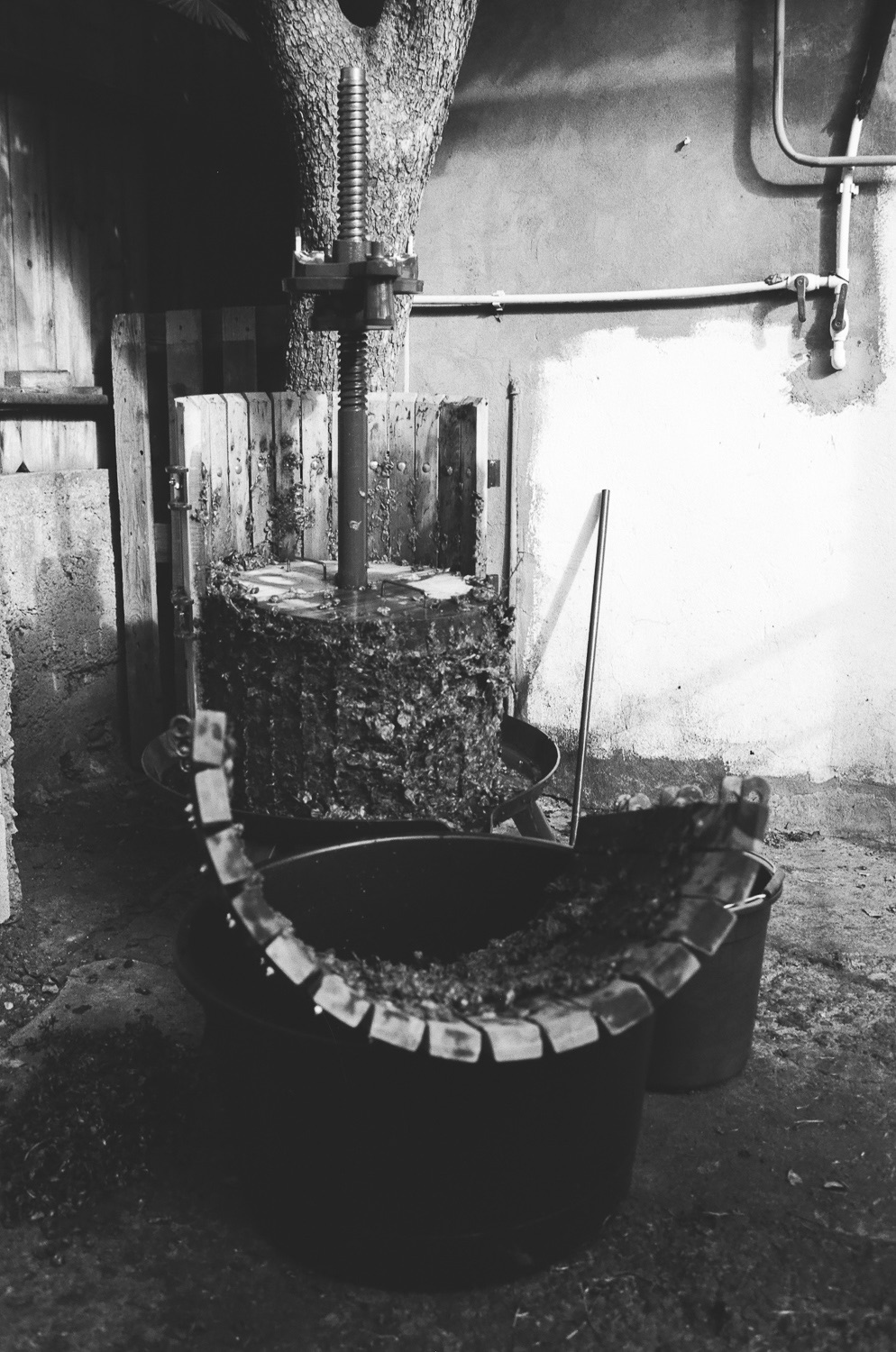
Exploring the possibilities of the world's original endemic grape varieties along with the terroirs in which they're grown, sometimes challenging the received wisdom on how the wine is supposed to be made felt like something worth doing. After all we are in a country that has been making wine for longer than any other, with hundreds of varieties grapes that are native to this country, and it would feel like a small act of vandalism to ignore all that and reach for Chardonnay, so we made a rule early on and have kept to it ever since: only Georgian endemic varieties like Tsolikouri, Rkatsiteli, Mtsvane, Chinuri and Tavkveri and still more to come in future vintages, grapes most people outside this corner of the Caucasus have never tasted, which is rather the point.
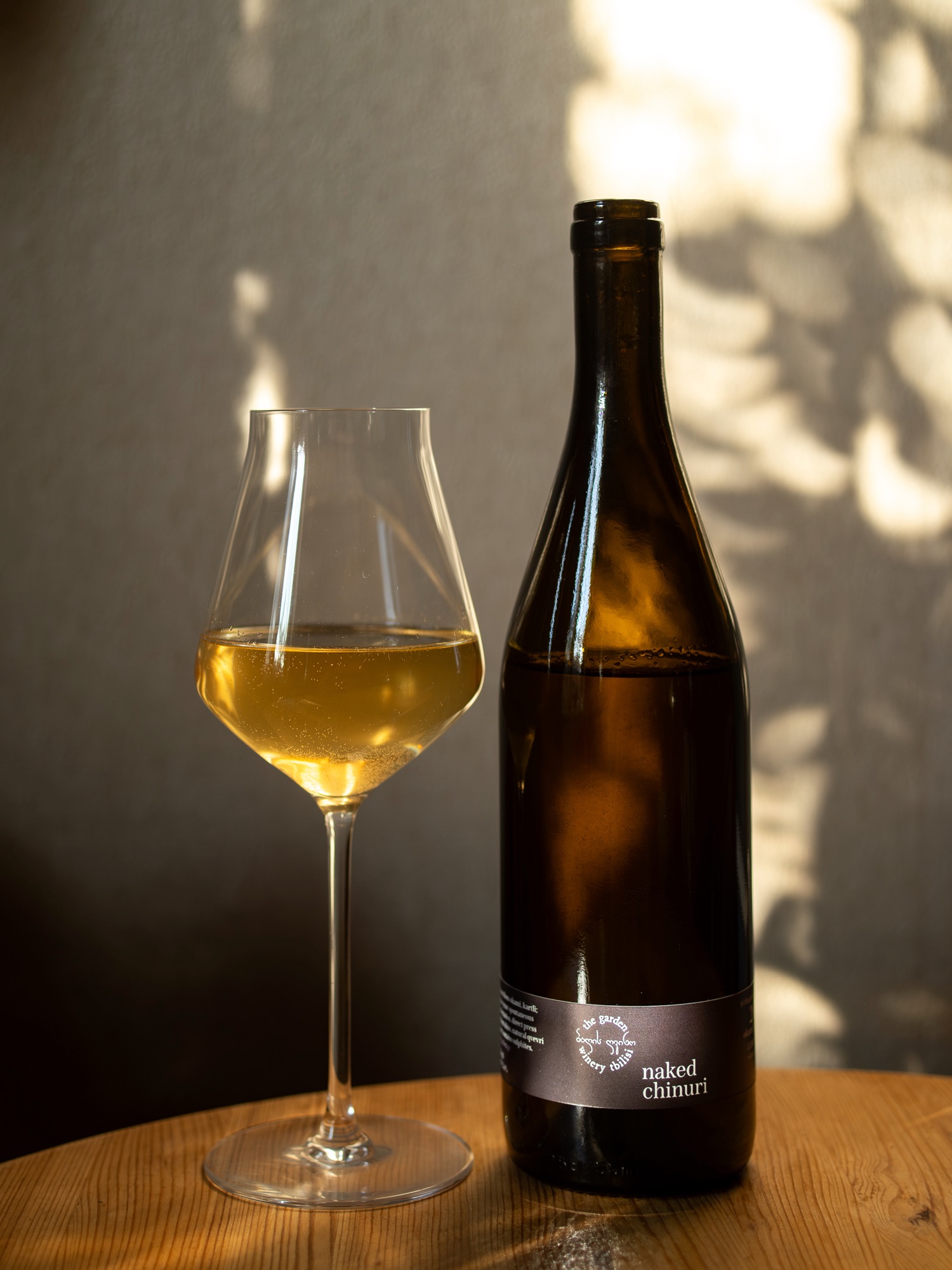
Most of these are made the way wine has been made here since long before there were bottles or barrels - in Qvevri, the big egg-shaped clay vessels but we use these above the ground and have them exposed to the elements. Depending on the type of wine we're making the juice ferments in the Qvevri and then either rests on its skins through the cold of winter or ages on the lees - exposed to cold temperatures which help naturally filter the wines - we've always been fans of the micro-oxygenation that the slight porosity of clay gives to the wines and what results are wines that we feel express the characteristics of the varietals and the terroir as accurately as possible - which is central to what we do.
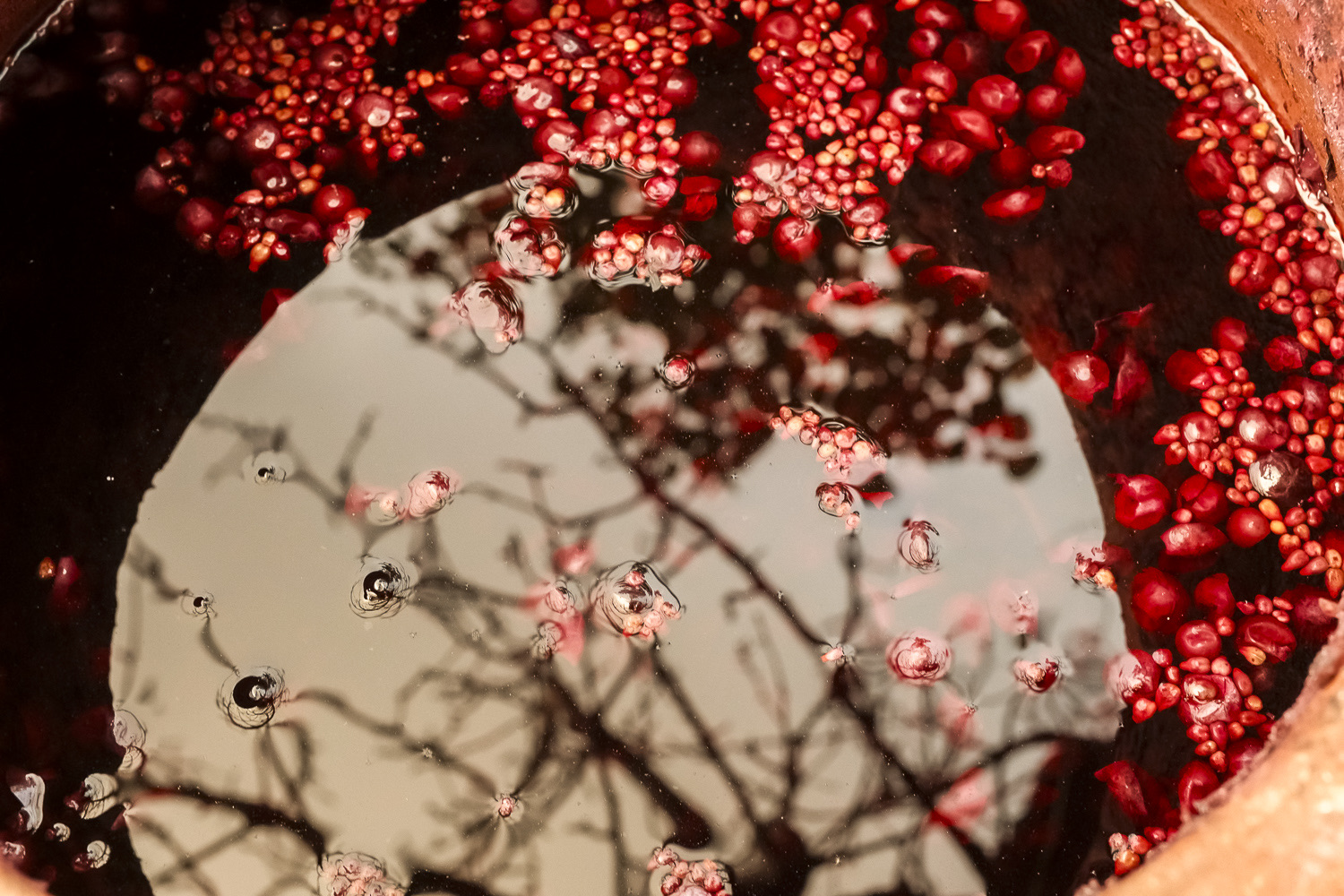
The whole of our winemaking is really an exercise in leaving things out - no cultured yeast, no added acid, no fining and only minimal filtering where it's absolutely needed, nothing to correct or tidy or flatter - because each of those interventions is a way of covering the year up, of making the wine say what you wanted rather than what actually happened in the vineyard and cellar and we would far rather show you the year as it came, the good and the awkward both, and trust that attention in the vines does more than cleverness in the cellar ever could. We've had our share of failures along the way which we have to accept as part of the process of making Natural Wines - that said, when things work out: they really work out.
What others say about our wines
A real line from a published review goes here, once we have it in hand and the permission to use it.
A second placeholder quote - kept short, the way the good pull-quotes always are.
And a third, waiting for a writer or a sommelier to fill it with something true.
Where to find us
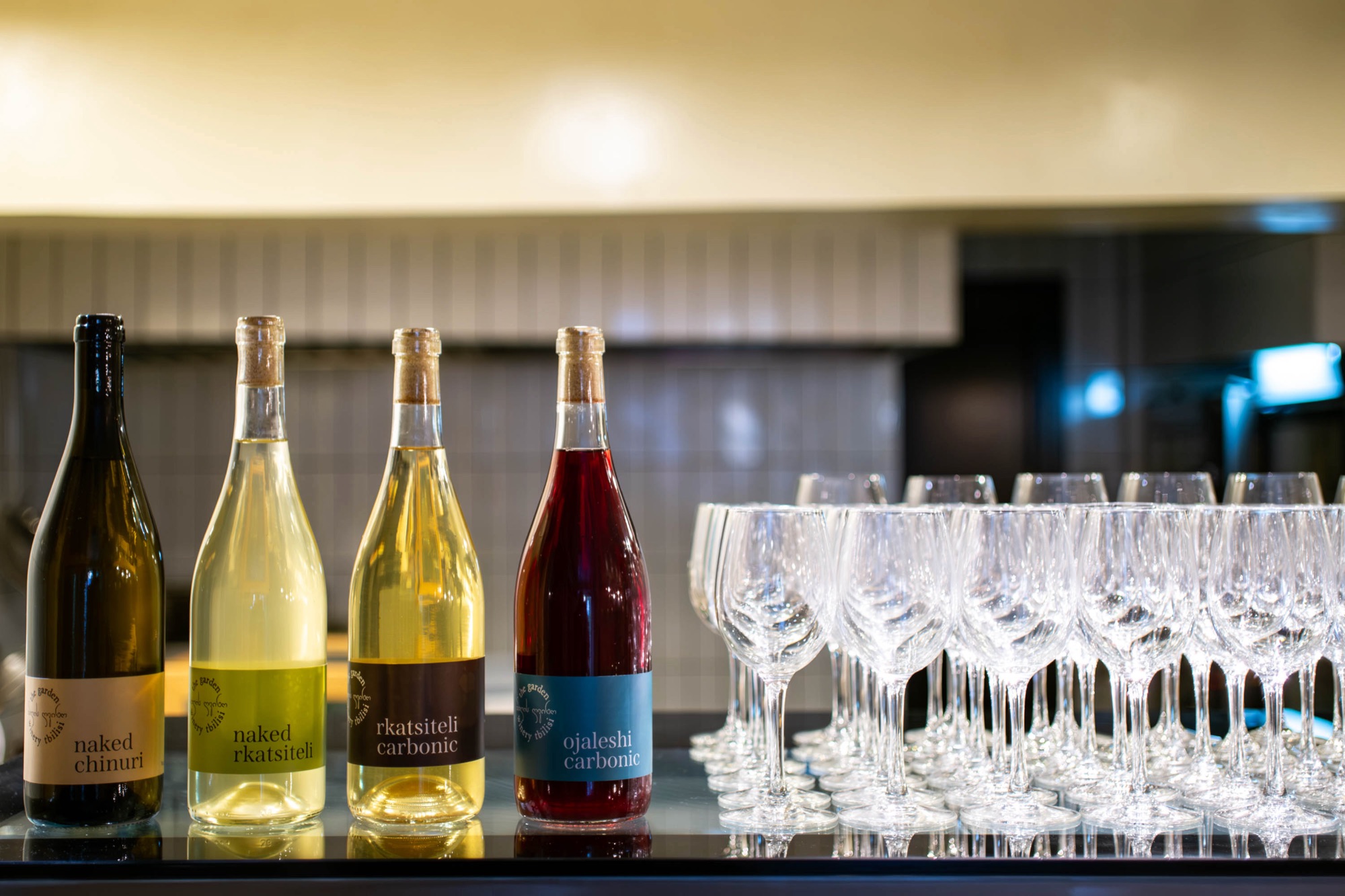
The list changes with the seasons and with whatever is left - this is where the wines have most recently poured rather than a promise that any one bottle is still on the shelf.
Trade enquiries